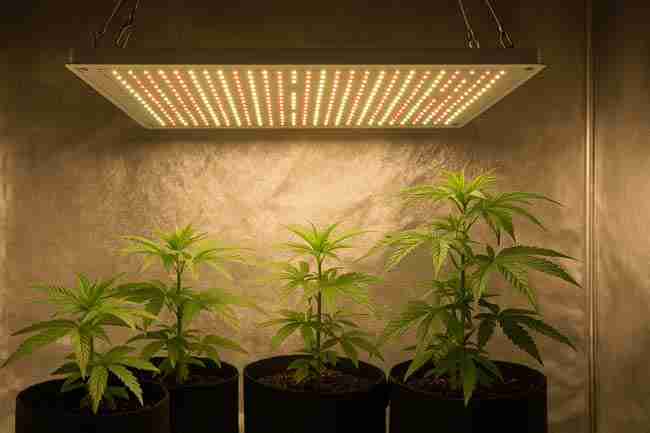
Growing Cannabis in Colder Climates


Growing cannabis in colder climates is a calendar problem before it is a gear problem. The useful season is the stretch between the last spring frost and the first fall frost, and a lot of that stretch is still cool at night. A marijuana plant will grow in that window if you start it warm, move it out only after the nights settle, and finish the flowers before the weather turns wet. A weed plant left outside through a freeze is not a winter crop. It is a damaged plant.
Cold, here, means a short outdoor year. Prairie provinces, Atlantic Canada, the northern United States, northern Europe, and a high garden all share the same squeeze. Days can be warm enough to work in a shirt. Nights drop. Fall rain arrives while flowers are still stacking. The plant does not get a long, dry October just because a seed pack hoped for one. Write down the average last frost and the average first frost for your town. Count the days between them. That count is the season you actually have. The zone guide walks North America by those dates. This page is what you do with the count.
The outdoor method, the yard, and the pack choice already have their own pages. The outdoor grow page is the full season once the weather is kind. The places page is sun, wind, drainage, and whether the spot is even legal to use. The outdoor seeds page is which plant finishes inside a short year. Use those when you are choosing a bed or a pack. Use this page when the limit is temperature and the date on the forecast.
In Canada a plant in a cold frame, a pot against the house, or a tent in the basement still counts toward four plants per household, not per adult. Quebec prohibits recreational home growing. Manitoba allows indoor growing only, for adults 19 and older, since 1 May 2025. Outside Canada, follow the rule where you live. Start only as many seedlings as you are allowed to finish.
Growing Cannabis in Colder Climates

A working spot in this weather is usually simple. Pots sit where the sun hits a wall, the wind is broken, and you can still reach every plant. The wall holds some of the day’s warmth into the evening. The pots can come in on a night the forecast lies. A plant set in the open, in a low pocket that collects cold air, will frost while the one by the house does not. The places page is the longer lesson on siting. The short version is borrow heat, break the wind, and keep the first month movable.
Do not read a sunny afternoon as the whole day. The number that hurts you is the low, after midnight, at leaf level. A thermometer on the kitchen window is the house. The plant is outside. If you only check one reading, check the forecast low for your town and then look at the plant in the morning. Pale, limp new growth after a clear night is cold. It is not a feeding signal.
On a useful day the air is mild and the plant is actually growing. Prolonged nights that sit around 10°C, about 50°F, slow that growth even when the afternoons feel fine. Ice on the leaf is a different event. That is the freeze, about 0°C or 32°F, and the tissue it touches is done. A light frost on a fan leaf is ugly and survivable if the growing tip is still green. A hard freeze through a cola is a harvest decision, not a coloring trick.
What cold actually does

Cold slows the plant before it kills it. Roots in a chilly, wet pot stop taking up water the way they did on a warm week. The leaves can look hungry, pale, or stalled. Adding more food to a cold, soggy pot makes the next week worse. The fix is warmth and a longer dry-down, not a heavier bottle. Water in the morning on cool weeks so the pot is not soaked at the coldest hour. The watering page is how you judge a pot by lift. In this weather, a heavy pot at dusk is the one you leave alone.
The plants in these photos met cold air before they were ready. Outer leaves go pale, then papery, and that tissue does not turn green again. Look at the tip of the stem. If that tip is still green and firm, new leaves can replace the burned ones once the nights ease. If the tip is black, soft, or collapsed, that plant is finished. Keeping a dead growing point on a warm sill is not a recovery. It is a stalled stick.

Wind makes a mild night colder than the number suggests. Moving air strips heat off the leaf and dries it. A plant against a fence or a wall loses less of that heat than a plant in the open. Browning that starts on the windward side, with the sheltered side still green, is that kind of damage. Turn the pot or move it. Do not chase it with a nutrient chart.
Color is the part people misread. Some plants carry pigments that show when nights cool, and the flowers or fan leaves take on purple. That is genetics meeting a cool finish, and the color page explains it. It is not a reason to chase a freeze. Frozen tissue is brown and dead, not a prettier purple. A cool night near the end of flower can be fine. Ice on the cola is not a finishing technique.
Indoor setpoints, for a room you actually control, live on the environment page. Outdoors you do not hold a setpoint. You choose the weeks when the plant is outside at all, and you stop pretending a clear afternoon cancelled the low.
Finish inside the frost window

Count backward from the first frost you are willing to respect. If that date is early September, a plant that is still stacking flowers in October will meet the cold unfinished. If your first frost is reliably later, you have more room, and you still do not spend it on a long tropical photo that wants a dry fall. The zone guide has the regional dates so you are not guessing from a story two towns inland. Your garden can still frost earlier than the airport. After one season you will know. Trust the yard once you have watched it.
Start the seeds inside, in the warm, while the garden is still freezing at night. That head start is how a short summer still produces a plant with some size. The seedling page is the warm, bright start. A pane of glass at night is not that start. Seedlings parked against a cold window stall, and the soil stays wet because they are not drinking. Pull them back from the glass after dark. Use the garden as the next step, not as the germ spot.
How early you sow depends on when you can honestly put them out. A few weeks of indoor growth is a fair head start for a photo you will transplant after the last frost. An auto is on a clock from sprout, so a long indoor stay eats the outdoor weeks you were trying to save. Sow the auto so it can go out young, soon after nights are safe, and finish on its own age. The photoperiod and autoflower page is the seed-type decision. This page only insists that the finish date lands before your frost, not after it.
Start inside, then harden off

A plant that has lived under a lamp, or on a shelf by a door, will bleach in one afternoon of full sun, and it will fold on the first night near freezing. Hardening is the week you spend so neither of those happens. Pick a stretch when the forecast lows are above freezing and trending the right way.
On the first two days, set the pot outside in bright shade or gentle morning sun for two or three hours, out of the wind, then bring it in. Over the next days, give it a longer morning in real sun and still bring it in before the temperature falls. By the end of the week it can take a full day. Leave it out overnight only when the low will stay above about 10°C. If a night is forecast to frost, it comes back in, even if you already called it hardened. One careless night undoes the week.
Sun scorch on that first bright day looks like pale patches on the leaves that faced the sky. That is light the leaf was not built for yet. Give it a day in brighter shade. Do not decide the cultivar is weak, and do not feed it. Cold burn looks different. It shows up the morning after, often on the edges and the newest growth, and the leaf feels thin and dry. The plant below had that morning. It was outside for weather it had not earned.

If only the outer leaves went papery and the tip is alive, keep going and stop offering it those nights. New growth can outrun a single burn. If you repeat the freeze, you are not training the plant. You are removing the leaves it needed. A second burn on the same tip is how a salvageable plant becomes a stump.
Transplant into the final pot, or into the bed, at the end of this week, not on the morning of a cold snap. Water that new home in the morning. A soaked transplant on a night near 5°C is how roots stall for a week while the top looks thirsty. The outdoor grow page carries the rest of the season once the plant is actually living outside and the nights have stopped threatening ice.
A plant that finishes early

The right plant for this weather is the one that is done while September is still kind, or earlier if your frost is earlier. A fast outdoor photo, bred for a short season, can flower and finish before the long rains. An auto you started after the last frost can do the same on a clock, which is why short-summer gardens lean on them. Often that clock is roughly a couple of months to about three from sprout, and you still confirm it against your own first-frost date rather than against a catalog sentence. A long-flowering photo that needs October is a gamble you already lost on the calendar.
The outdoor seeds page is where that choice is made, including the packs that suit a northern yard. Do not shop a tropical name and then invent a greenhouse to rescue it. Match the finish to the frost you wrote down. If the pack’s outdoor story is a late October cut and your yard ices in September, it is the wrong pack, however pretty the photo was.
Open structure matters as much as speed. Fall is wet. A tight cola that never dries holds water against cold tissue, and that is how rot starts. You want a plant you can see through, and you want it finished before weeks of rain sit on it. If you are hoping for a second outdoor run, it only works when the first plant is cut with real frost-free time still left. That calendar is the northern harvest page. Do not stack a second sowing on a wish.
When the flowers are close and a hard frost is on the forecast, cutting beats waiting for a prettier trichome. The flower page is how you read maturity. This page adds one rule. Ice is not going to improve an almost-ready plant. If the freeze will be light and the plant is a week out, a cover for that one night can be worth it. If the freeze is hard and the cola is full of water, harvest. A frozen flower does not finish ripening in the jar.
Shelter, pots, and a wet fall

Pots and the ground behave differently once the nights cool. A pot warms fast in sun and loses that heat fast after sunset. You can drag a small pot inside. You cannot drag a bed. For the first month, and for any plant you can still lift, the pot is the safer tool in a jumpy spring. Once the plant is large, plan on covering it where it stands. A huge plant in a pot you will never move is the worst of both. It freezes faster than the ground, and it stays outside.
Set pots on soil or on wood rather than on a concrete slab that stays cold all night. A south or west wall is the free heater. Dark pots catch more sun than white ones, which helps in a cool May and can cook roots in a sudden hot spell, so check the container with your hand at midday. If the plastic is hot, shade the pot, not the whole plant. Leaves can want that sun while the roots do not want a hot bucket.
The straw on the soil in this photo is a surface cover. Mulch slows the swing at the surface once the soil has actually warmed, and the mulch page is how to use it, including the bare ring at the stem. Straw does not stop a frost on the leaves. It does not make an early transplant safe. If the plant above the cover is already burned, the missing piece was the night you left it out, not another inch of straw.
In the ground, the root zone stays steadier. That is an advantage in a normal summer and a trap on a surprise frost, because the plant is staying put. Raised beds warm earlier in spring than flat, heavy clay. They also cool faster. Pick the bed for drainage first. Cold plus standing water is a stalled root, and a stalled root looks like every deficiency at once. Fix the water before you fix the bottle.
Rain is the other half of a cold fall. Flowers that got soaked and then sat through a cold night are the rot risk. After a long rain, open the plant with your hands and let air at the stems. Do not seal it under plastic to dry and walk away. A soft brown pocket inside a cola is bud rot until you prove otherwise. The bud rot page is that diagnosis. Get the spoiled flower out of the garden. Do not dry it in the same space as clean flowers.
Cover that you take off

A cover is for a night, or for a stretch of raw spring weather, and it comes off when the sun returns. A sheet, a frost cloth, or an upturned bin over a small plant can save one forecast. Hold the cover off the tips with stakes or hoops. Cloth sitting on the leaves conducts the cold straight into them. A sealed bag is worse. By dawn the leaf is wet, which is the problem you were trying to dodge.
A low tunnel or an unheated hoop buys a few degrees and a break from wind and rain. That is worth a lot at either end of a short season. It is not a heated greenhouse, and it is not a place to leave the plants buttoned up on a bright day. Sun on a closed cover turns the tunnel into a hot box by noon, and the wet air you trapped becomes mold weather after dark. Open the ends when the day is mild. Close them for the cold night. The greenhouse page is the longer version of a covered garden. A winter crop under glass, with heat and extra light, is that project. It is not a sheet on a pot.
Do not run a fuel burner in a small covered space to save a night. Fumes in a closed tunnel are a bad trade for a few degrees. If the night is too cold for a cover to handle, the plant comes indoors or you take the harvest you have. There is no safe middle where a flame sits in the row.
Skip force-flowering tricks in a backyard tunnel. Blackout cloth, used to make a photo flower early, is a managed greenhouse habit, and it is easy to cook the plant or trap humidity against the flowers. If your season is that short, choose a faster plant instead of building a dark box in the yard. The faster plant was the decision back at the frost count.
When the grow moves indoors

There is a date when the outdoor year is over. Snow on a living plant is not a method, and a January sowing in the garden is not a plan. Finish, or move the grow inside. An indoor room in a cold house is still this kind of grow. The lamp warms the tent while it is on. When the lamp clicks off, the temperature falls, and a fan that keeps pulling hallway air will import the coldest air in the building. Leave air moving, at a lower speed, and measure the low at the canopy with the lights off.
If that low is the problem, the warm-space page is the fix. Stop the heat loss, and keep any heater outside the tent on a thermostat. Do not put a fuel heater in the tent. Do not thread a heating cable through a pot because a clip showed one. The indoor guide is the room itself. The environment page holds the setpoints once the room can actually hold them. Until the night low is honest, a setpoint on a controller is a wish.
A basement or a garage tent fails the same way every hard month. The day looks fine because the light is on. The night is a cold, damp box, and the leaves stall or claw. Read the night, not the glow. If the tent sits in a room you would not want to sleep in, fix the room or move the tent. Seedlings show it first. They want the seedling page, not a concrete floor and a window full of frost. Pull them up off the slab. A cold floor under a wet pot is the outdoor mistake moved indoors.
The note that matters this season is short. Forecast low. Whether the plant was outside, covered, or in. What the leaves looked like the next morning. After two weeks you can see which nights were fine and which nights cost you leaves. That record is more useful than a gadget that only proves the afternoon was sunny.
Before a cold night, do the small version. Check the low, not the pleasant afternoon. Bring in anything you can lift if ice is likely. Cover what must stay out, with the cover held off the tips. Water early, not at dusk. Open every cover the next morning unless it is still freezing. If the flowers are close and the freeze will be hard, cut. The plant can live through a cool season. It cannot live through a plan that ignores the date.