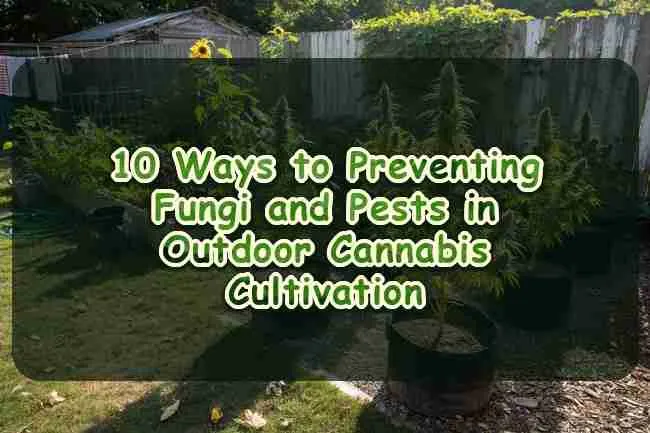
10 Ways to Preventing Fungi and Pests in Outdoor Cannabis Cultivation

Fungi and pests in outdoor cannabis cultivation win when you wait. Rain, dew, still air, and dense buds do the rest. You stop them with sun, space, dry leaves, and weekly looks. Not with a panic spray in week seven.
Look, outdoor plants live in a bug zoo. That’s the deal. However, most wrecked harvests start as a wet cola or a caterpillar you never opened. Walking the garden after a September rain, you want buds that dry by lunch, not a gray surprise inside. This page is ten ways that actually work in a backyard. Start with clean cannabis seeds and a plant count you can finish: how many cannabis seeds. Outdoor basics: growing cannabis outdoors.
What You’re Actually Fighting Out There
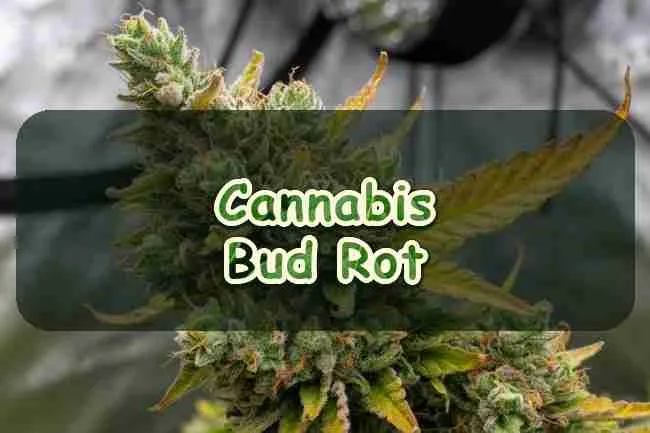
Fungi and pests in outdoor marijuana cultivation are not one monster. Bud rot (Botrytis) eats dense flowers from the inside after wet nights. Powdery mildew paints leaves white and spreads in still, mild air. Caterpillars (corn earworms, budworms) chew tunnels that turn into rot. Aphids, mites, thrips, and gnats pile on when plants are stressed or the soil stays swampy.
Here’s a wild one. Surveys of cannabis pathogens keep showing fungi as the big share, often around 70% of reported issues, with bud rot and powdery mildew at the top. Powdery mildew is weird, too. Its spores carry their own water, so a soaking leaf can actually slow those spores, while still air and moderate humidity let them party. Bud rot is the opposite. Free water in a tight cola is an invitation. That’s why one spray does not fix both.
A quick ID card so you don’t treat the wrong thing
| Problem | What you see | Loves | First move |
|---|---|---|---|
| Bud rot (Botrytis) | gray-brown mush inside colas, dead sugar leaf | rain, dew, dense buds | cut into clean tissue |
| Powdery mildew | white flour on leaf tops | still air, 68–77°F | air, sun, early leaf sprays |
| Caterpillars | holes, frass, hollow buds | moths at night, late summer | BT early, then hunt |
| Aphids | soft bugs, sticky honeydew, ants | lush new growth | soap in veg, predators |
| Spider mites | stipple, webbing under leaves | hot, dusty, dry | underside checks, predators |
| Fungus gnats | tiny flies, wet soil | swamp pots | drybacks, yellow cards |
Worked example. You grow four plants on the east coast of Canada. Week six of flower, three days of drizzle. You skip the walk because you’re tired. Day four, one top cola smells sweet-rotten. That worm or that wet night already finished breakfast. Ten minutes with a loupe after the rain would have cost you one cola, not a grocery bag of gray.
1. Put Plants in Sun and Wind, Not a Damp Corner
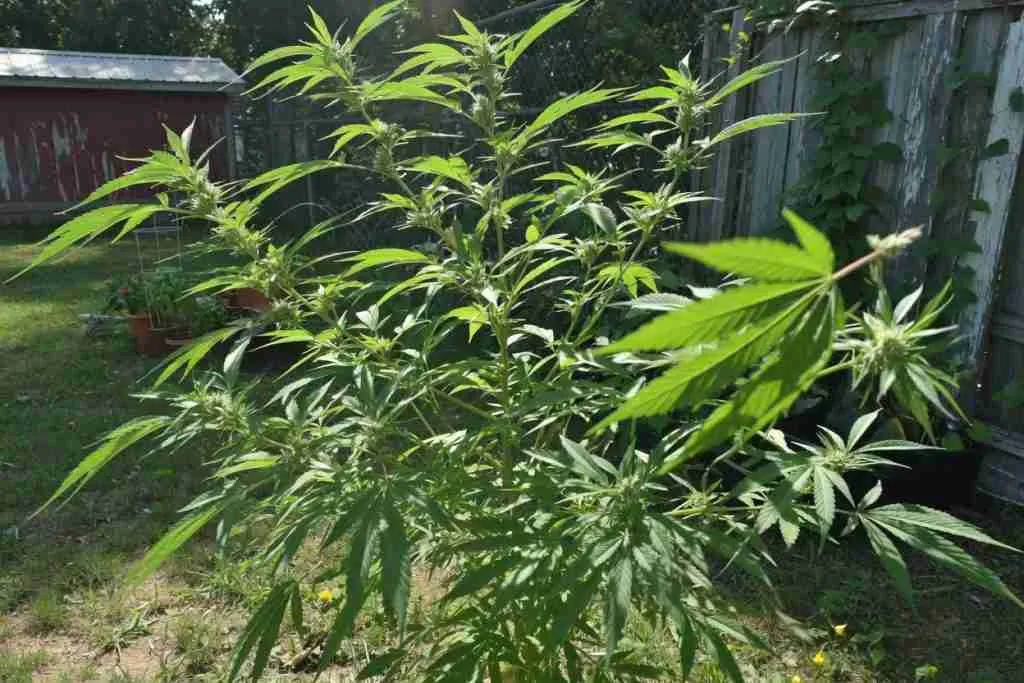
Morning sun burns off dew. A breeze dries the inside of the plant. A north fence with no air is a mold hotel. You want six-plus hours of real sun and a path for wind. Against a wall that cooks at 3 p.m. and then traps night fog? That’s how fungi and pests in outdoor cannabis cultivation get a head start.
Site specs that keep leaves dry
- Full sun through midday. Shade after 4 p.m. is fine. All-day shade is not.
- Space so two people can walk between plants without hugging colas together.
- Raise pots off cold, wet ground. Fabric pots on pallets beat a mud puddle.
- Skip low spots that puddle after rain. Roots in soup invite gnats and Pythium.
Research on cannabis flowers points to gentle air around 0.5–1.0 m/s as a useful target for keeping microbes down. Outdoors that means a real breeze, not a boxed patio. Cold climate growers: a south wall helps heat, but you still need a gap for air. More: growing cannabis in colder climates.
Pros: free prevention, stronger stems. Cons: sun also means more water use and more eyes on the garden. Don’t hide plants in a wet ravine to be stealthy. You will harvest compost.
2. Start With Airy Genetics and Clean Seed
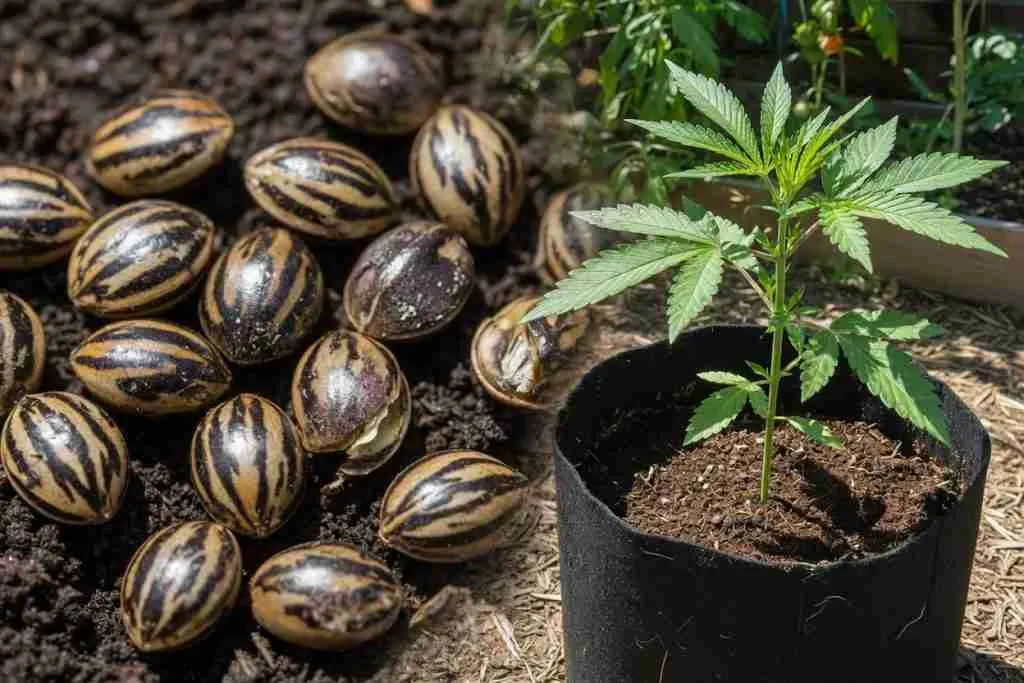
No seed is immune. Dense, afghan-style golf balls hold water like a sponge. Airier, faster-finishing plants dry after rain. That’s the whole genetic trick. Pick mold-resistant lines for humid summers, then still prune. A list that actually names cultivars: mold-resistant cannabis strains for humid summers.
Clones can walk in with mildew, mites, and viroids. Seeds skip a lot of that baggage if you start clean. Quarantine anything that isn’t a sealed pack: quarantine like a pro. Autos can finish before peak September storms. Photoperiods that run into October in Canada are playing chicken with frost and fog. Autos: grow autoflowering cannabis plants. Shape notes: cannabis indica vs cannabis sativa.
Specs: finish before the wettest weeks when you can. Open flower structure beats “giant cola” bragging in a rainy yard. Pros: less spraying. Cons: airy buds can yield a bit less than rock-hard ones if the weather stays perfect. Perfect weather is not a plan.
3. Space Them and Open the Canopy
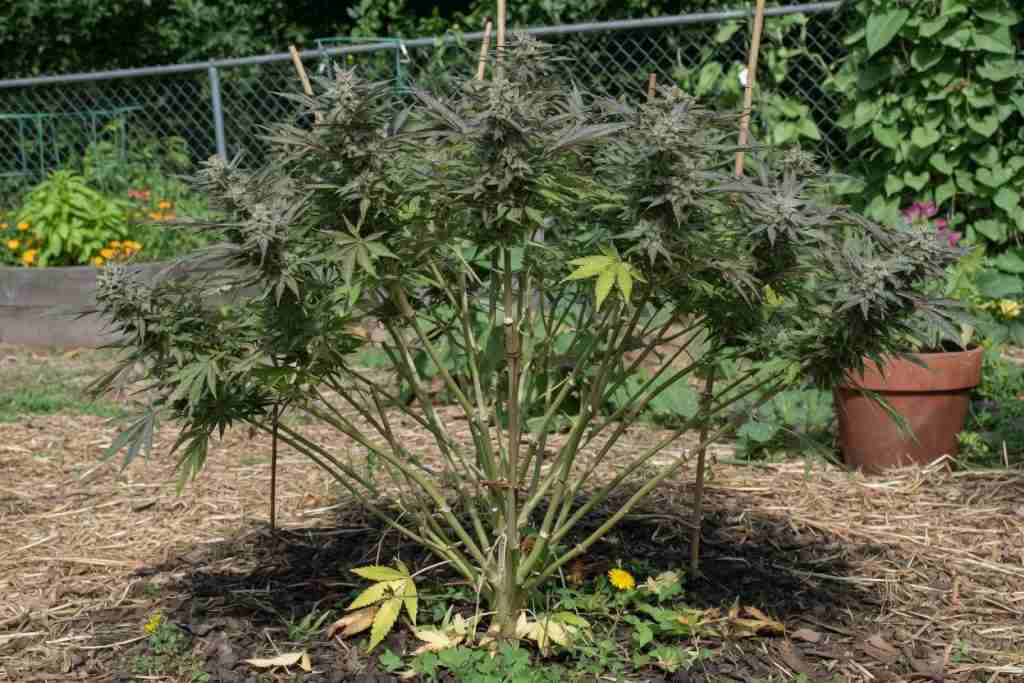
Four plants jammed in a 4×4 outdoor bed is a jungle. Leaves stay wet. Bugs hide. You want light to the middle and air through the cola. Strip the popcorn inside. Lollipop the dark bottom. Don’t strip a plant bald in one afternoon in 90°F sun. That’s a sunburn and a stall.
A simple outdoor prune
- In veg, take leaves that touch the soil and anything that never sees sun.
- Early flower, open the center so a hand can pass through.
- Late flower, only pull leaves that block airflow or stay wet after rain.
- Clean shears with alcohol between plants. Spores hitchhike.
Canada’s typical four-plant household still needs space. One well-opened plant beats four wet bushes. Plant count math: buy cannabis seeds in Canada. U.S. shoppers: USA 2026 seed guide.
Pros: faster dry-down, fewer hidden caterpillars. Cons: over-defoliation in heat cooks buds. Leave a hat of leaves on the top.
4. Water the Dirt, Not the Flowers
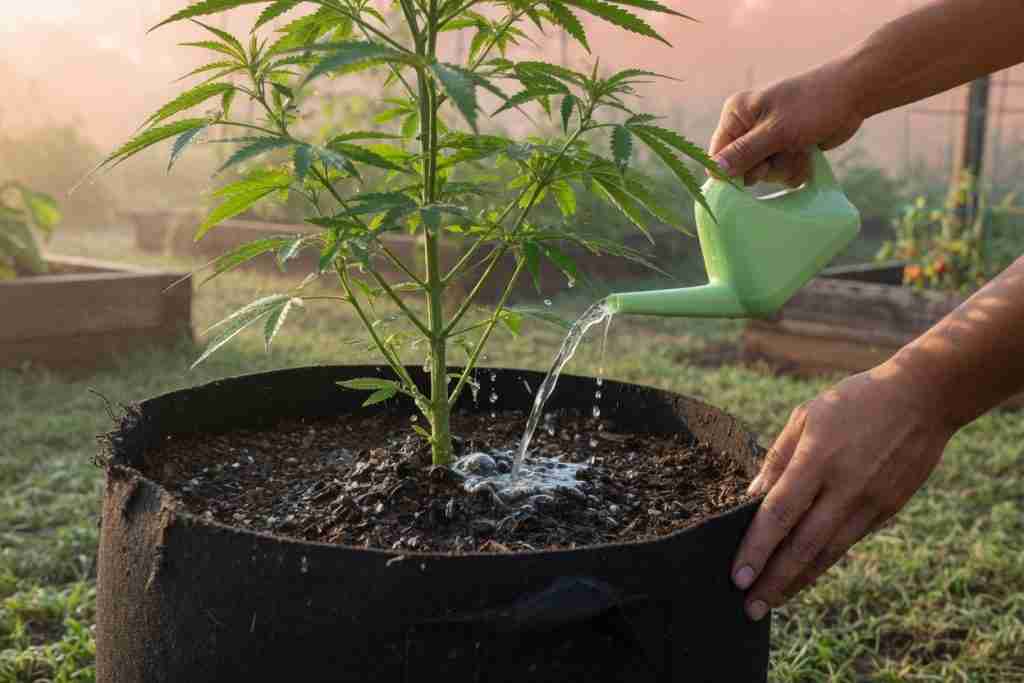
Evening overhead watering is how you gift bud rot a night in a spa. Water at the soil in the morning. Leaves dry with the sun. Wet foliage at lights-out outdoors is dew plus your hose. Don’t do both.
Fabric pots and mulch help drybacks. A swamp saucer under a pot is a gnat farm. Lift the pot. Heavy means wait. Outdoor beds need drainage, not a clay bathtub. Overwatering also makes plants look hungry, then you feed more, then you get soft tissue that molds easier. Watering habits: how to water cannabis plants. Roots need air: cannabis root oxygenation.
Specs: morning water, soil pH 6.2–6.8, coco 5.7–6.2, let the top inch dry in soil. Pros of drybacks: fewer gnats, tougher tissue. Cons of bone-dry heat waves: wilt and crispy edges. Mulch helps that without wetting flowers.
5. Keep the Yard Clean Like a Kitchen
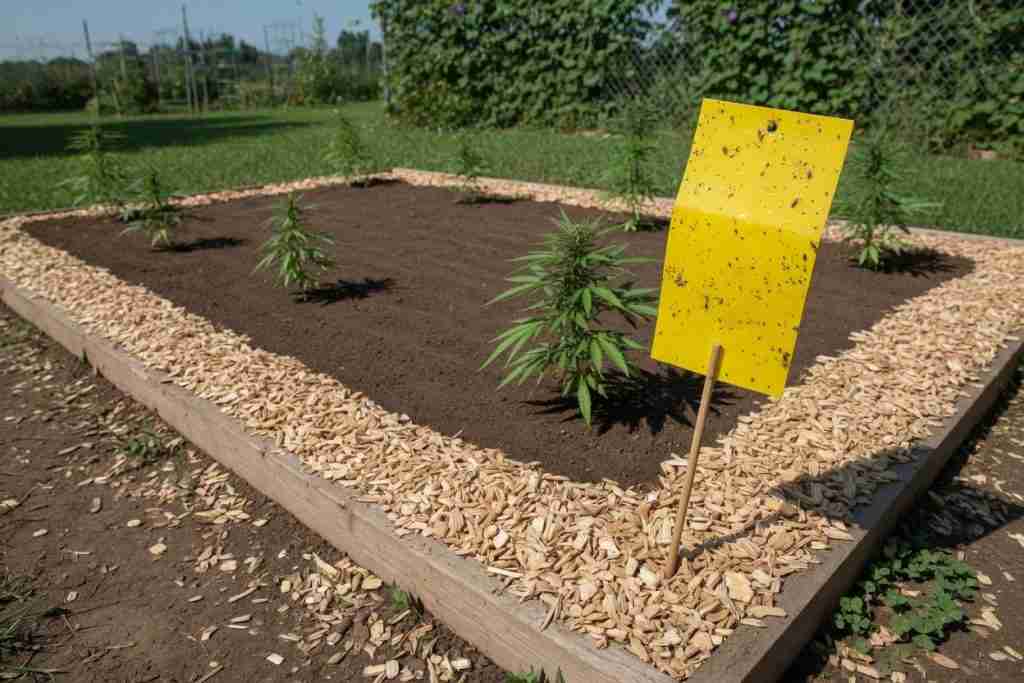
Dead leaves under the plant are a pest hotel. Last year’s stalks hold spores. Dirty scissors move mildew from plant A to plant B. Bag the junk. Don’t compost obvious rot next to the garden. Yellow sticky cards on stakes catch adult gnats and thrips so you see the trend, not a surprise. Trap tuning: thrips, fungus gnats, and yellow cards.
Mulch keeps soil from splashing spores onto leaves. It also hides some beneficials. Win-win if you don’t pile mulch against the stem like a wet turtleneck. Tools: alcohol between plants. Hands: wash after touching a suspect cola. Shoes: don’t walk from a moldy greenhouse into the only four plants you’re allowed.
Pros: cheap, boring, huge payoff. Cons: you have to actually do it every week, not once in July. Fungi and pests in outdoor marijuana cultivation love a messy floor.
6. Scout After Rain Like It’s Your Job
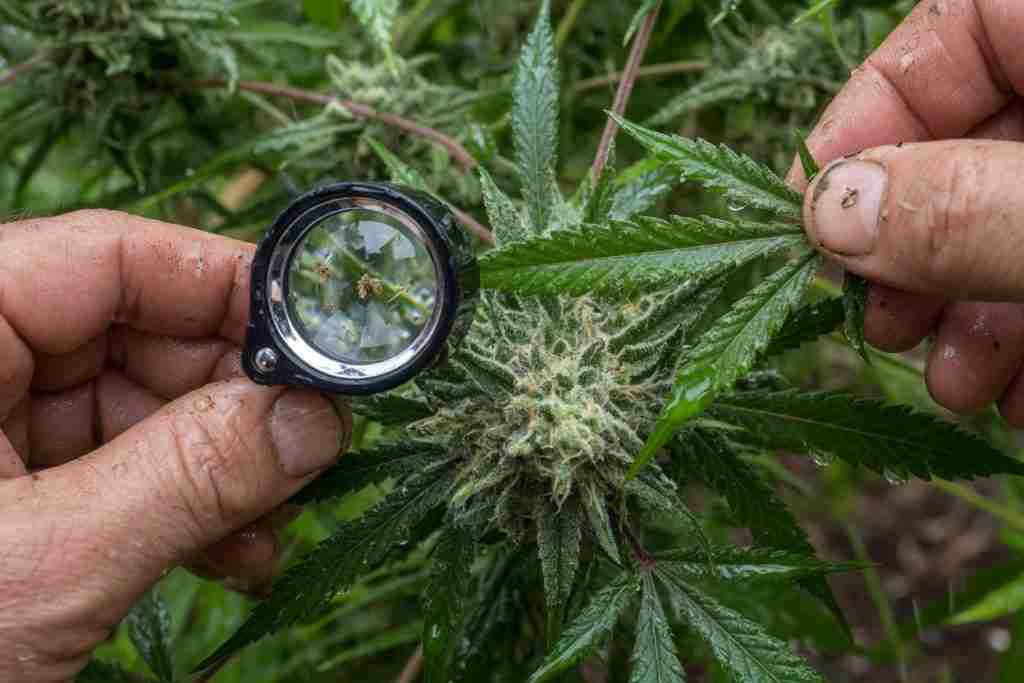
Prevention without looking is a wish. After storms, open a few fat colas. Brown inside, cobweb gray, or a sweet-rot smell is bud rot. Cut into clean tissue. Bag it. Clean the shears. Then check neighbors. A cheap loupe finds mites on the underside. Caterpillar frass (tiny pellets) means a worm is in the flower. Squeeze gently. You’ll feel the mush.
A weekly outdoor scout list
- Tops and undersides of new leaves.
- Inside the biggest cola, especially after dew or rain.
- Sticky cards: count, don’t just admire the art.
- Soil surface: gnats, algae, constantly wet.
- Stem bases: chew marks, ants farming aphids.
Never smoke moldy flower. Cut it out. Don’t “dry it extra.” Spores don’t care about your optimism. If the plant is toast, harvest the clean parts early. Top-down pest damage: dying from the top down. Mites: cannabis and spider mites.
Specs: scout 2–3 times a week in late flower, every time after rain. Pros: you lose a cola, not the plant. Cons: you will find something eventually. That’s the point.
7. Use Bugs and Neighbors That Work for You
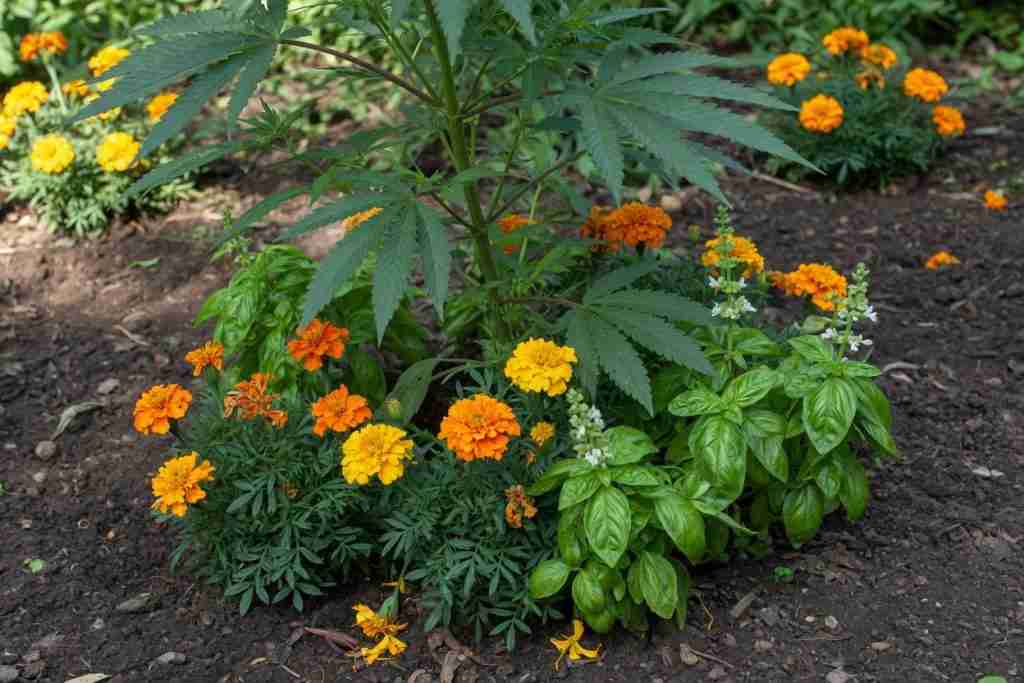
Outdoor gardens already have predators if you don’t nuke everything with a hose-end bug bomb. Lady beetles, lacewings, and predatory mites eat the soft pests. Soil mites like Stratiolaelaps hunt gnat larvae in the top layer. Release beneficials in the evening, not in noon sun.
Companion plants help the neighborhood. Basil and marigolds around the edge. Mint in a pot, never loose in the bed or it eats the yard. Don’t crowd the cannabis stem. Air at the base still matters. White clover as a living mulch can work if you keep it short. Companion planting is not magic armor. It’s one layer.
For caterpillars, the smart move is earlier. Bacillus thuringiensis (BT) hits worm guts when they eat it. Use it in veg and early flower before buds are a sponge. Trichogramma wasps hit moth eggs if you can get them. Corn earworm is a real outdoor headache in a lot of North America. Netting can help. So can not leaving porch lights blasting over the garden all night.
Pros: less spraying, better balance. Cons: beneficials die if you spray broad junk the next day. Pick a lane. Biosecurity mindset: intake protocols.
8. Spray Early, Then Stop Soaking Buds
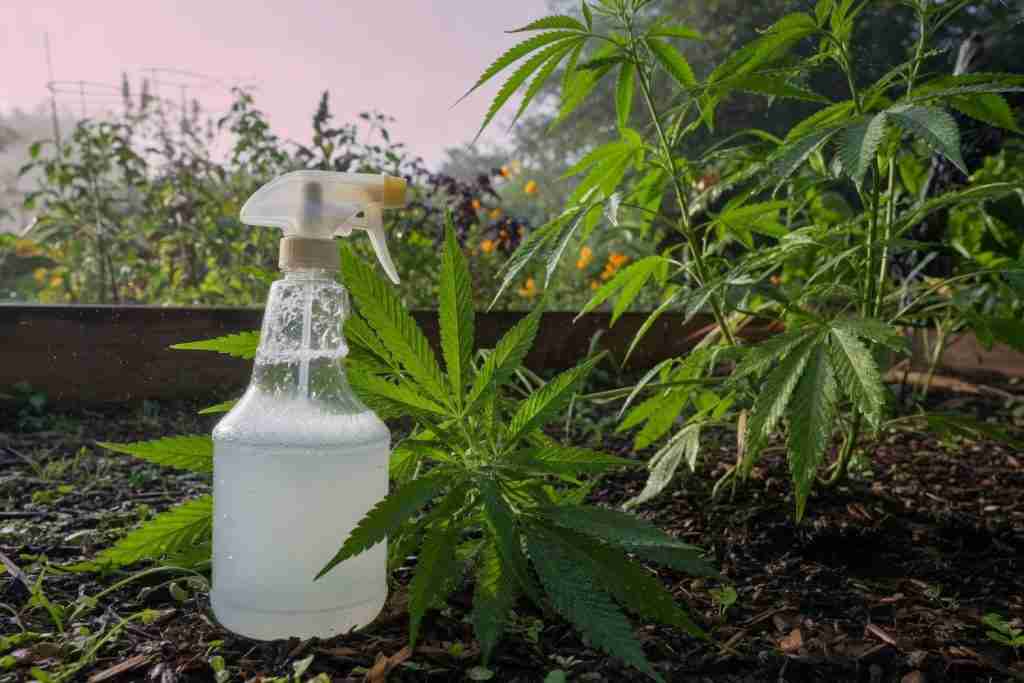
Preventative sprays belong in veg and early flower, on a dry morning, with time to dry before night. Potassium bicarbonate or a labeled potassium soap can help powdery mildew on leaves. Insecticidal soap knocks aphids. Neem and oils? Fine on leaves early. On fat colas they leave taste and can trap moisture. Don’t oil a wet flower in September. That’s how you make soup.
What to spray, and when to put the bottle down
| Tool | Job | When | Skip if |
|---|---|---|---|
| BT (Bacillus thuringiensis) | caterpillars | veg through early flower | you already have open rot |
| Insecticidal soap | aphids, some mites | veg, dry morning | high heat, open flowers |
| Potassium bicarbonate | leaf mildew | early, labeled rate | soaking dense buds |
| Beneficials | mites, gnats, thrips | before a crash | you just sprayed oil |
| Hydrogen peroxide mixes | spot cleanup | after cutting rot | as a weekly drench on buds |
Follow the label. Mix fresh. Cover undersides. Canada and many U.S. states have lists of what’s allowed on cannabis. Don’t import a random greenhouse chemical because a forum said so. Plant immune boosters like chitosan are extra, not a roof: chitosan for cannabis.
Pros of early sprays: you never need a late rescue. Cons of late oily sprays: residue, mold risk, ruined terps. If buds are already wet and dense, scissors beat sprayers.
Stuff that backfires outdoors
- Spraying at dusk so leaves stay wet all night.
- Mixing three “organic” oils because more must be better.
- Using the same bottle on mites, mildew, and caterpillars. Different mouths, different tools.
- High nitrogen late flower. Soft, lush tissue holds water and invites rot.
- Leaving porch lights on over the garden. Moths treat it like a diner sign.
Late-season nitrogen is a classic own-goal. The plant looks dark and pretty, then a rain hits, and those fat leaves never dry. Ease N as buds set. Keep potassium reasonable. Don’t “green up” a plant that’s trying to finish.
9. Shelter Rain Without Building a Steam Tent
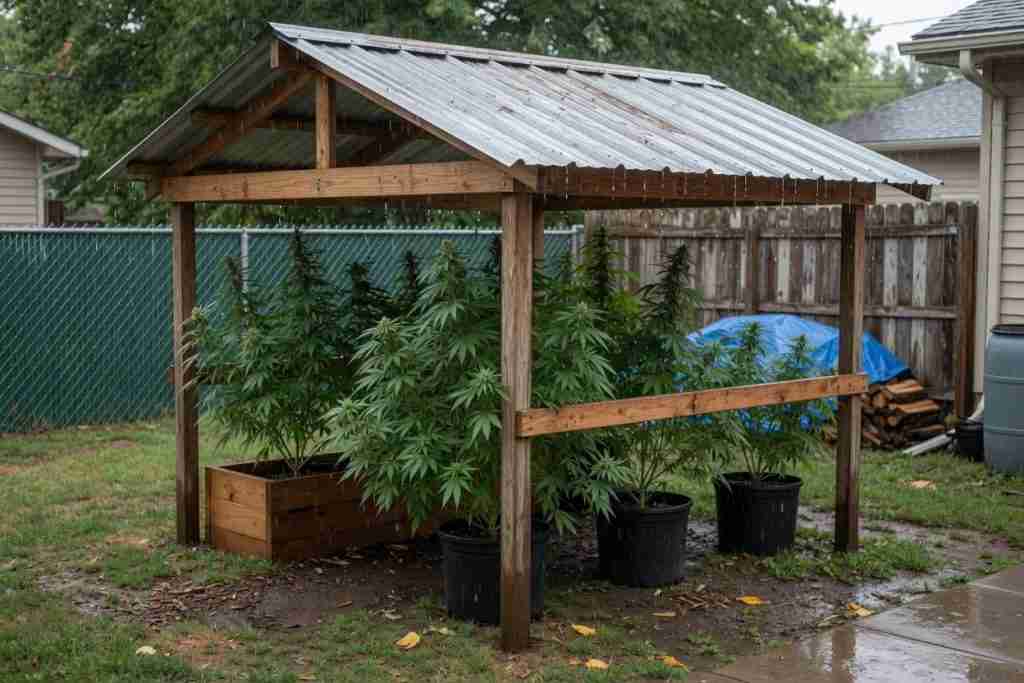
A roof that keeps rain off colas is gold in a wet September. A plastic box with no vents is a sauna. You want pitch, drip edges, and open sides so dew leaves. Shake plants after storms. Open the sides at dawn. Designs that don’t trap humidity: rain shelters that don’t trap humidity.
A hoop with greenhouse plastic and zero ridge vent will drip condensate onto buds. That’s rain you paid for. Better: corrugated roof, 6–12 inches of extra height, sides you can roll. On foggy nights, more vent, not less. After rain, walk the garden. Flick water off colas. Sounds silly. It works.
Specs: roof over the canopy, sides open, no dripping seams over colas. Pros: you keep a harvest in a storm week. Cons: a closed shelter can be worse than no shelter. If it smells stale, open it.
10. Harvest Clean, Dry Slow, Wash If You Need To
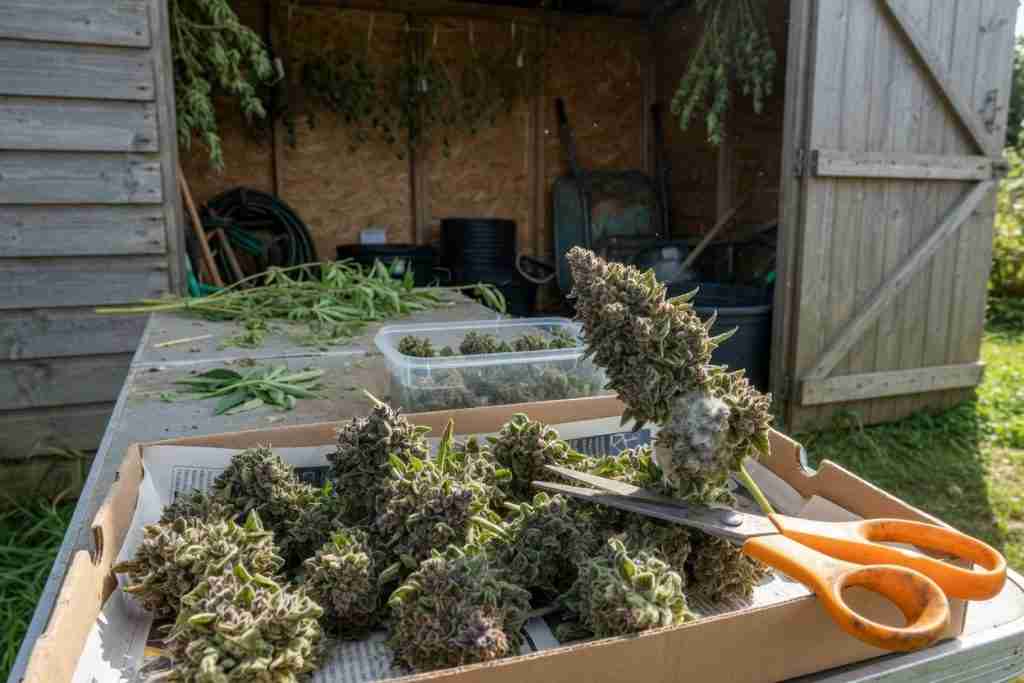
Outdoor flower carries dust, pollen, and hitchhikers. Cut rot first. Don’t hang a moldy plant over the good stuff. Dry around 60°F and 60% RH with air moving around, not blasting, the buds. Whole-plant hang vs branches vs racks: hang vs rack drying.
Bud washing is a rinse after chop, not a cure for rot. Three buckets of cold water, optional baking soda and lemon or a little peroxide, then a clean rinse. Outdoor growers get the most out of it. It will not save a brown core. Details: what is bud washing. Harvest timing still matters. If a week of rain is coming and trichomes are mostly cloudy, taking it down can beat gambling on rot.
Pros of a clean dry: you don’t grow a second crop of mold in the closet. Cons of rushing with heat: hay smell, harsh smoke. Slow and cool wins.
A Season Timeline You Can Steal
| When | Do this | Why |
|---|---|---|
| Site pick / start | sun, breeze, clean pots, fresh seed | less hiding spots |
| Veg | space, prune, soap/BT if needed, sticky cards | catch pests small |
| Pre-flower | open canopy, last oily sprays, beneficials | before buds sponge up gunk |
| Mid-late flower | scout after rain, shake water, no oil on colas | bud rot season |
| Storm week | shelter with open sides, cut rot same day | hours matter |
| Chop | cut rot, optional wash, 60/60 dry | don’t store spores |
Specs, Pros, and Cons at a Glance
| Move | Outdoor spec | Pros | Cons |
|---|---|---|---|
| Site | sun + breeze, no puddles | free dry-down | less stealth |
| Genetics | airy, earlier finish | less rot | not immune |
| Spacing | walk between plants | air, light | fewer plants per bed |
| Water | morning, at soil | dry leaves | you wake up |
| Scout | after every rain | save the crop | you will find rot sometimes |
| BT / soap | veg and early flower | worms, aphids | wrong timing stains buds |
| Shelter | roof, open sides | beats storms | closed plastic steams |
| Dry | ~60°F / 60% RH | clean cure | needs a real room |
Beginners: how to buy cannabis seeds for beginners and the new cannabis growers checklist. Don’t cheap out on the first pack and then spend August fighting worms.
A Four-Plant Backyard, Start to Finish
You’re in a legal four-plant house. May: cups in sun, no overhead water, yellow card in the tray. June: final 5–7 gal fabric pots, 3 feet apart, basil on the border. July: strip insides, BT if you see moths, last soap spray before pistils stack. August: roof on the hoop, sides open, no more oil. September: after every rain you open two colas per plant. One plant gets a worm hole. You cut it that night. Dry the rest at 60/60. That’s a harvest. The neighbor who “let nature handle it” tossed half a plant in the bin.
Soil predators earn their keep in pots that stay a bit moist. Stratiolaelaps in the top inch, sticky cards above. If you drench the pot every day, predators drown and gnats throw a concert. Drybacks are IPM. Fancy bottles are not a substitute for a lighter pot.
Drying specs worth taping to the closet: 58–64°F, 55–62% RH, 7–14 days, gentle air past the hanging branches, not into the flowers. If the room smells like a mushroom farm, you’ve still got wet cores. Open the buds. Pull the brown. Don’t jar wet product and hope. That’s how you grow fungi indoors after you beat them outdoors.
FAQ: Fungi and Pests in Outdoor Cannabis Cultivation
Can you save a plant with bud rot?
You can save the rest. Cut the rot plus a buffer of clean bud. Improve air. Don’t leave the infected cola “to see.” It spreads.
Is powdery mildew the same as bud rot?
No. Mildew is a white film on leaves. Bud rot is gray-brown mush inside flowers. Different fungi, different weather, same need for air.
Should you spray neem in late flower?
Skip it. Taste, residue, and wet buds. Use neem in veg if you use it at all. Late flower is scissors, air, and harvest timing.
Do companion plants replace IPM?
No. They’re neighbors. You still scout, space, and keep leaves dry.
What if it rains every day in September?
Open-sided shelter, shake plants, scout daily, harvest a little early if trichomes are ready. A wet week on dense colas is how whole plants vanish.
Prairie wind is your friend. Coastal fog is not. A Vancouver Island September and a Calgary September are different movies. Same ten ways, different intensity. If nights stay wet, scout daily in the last three weeks. If the air is dry and the wind never stops, mites may show before rot. Adjust. Don’t copy a desert calendar in a rainforest yard.
Pick sun, space, and a weekly walk. Fungi and pests in outdoor cannabis cultivation hate dry, open plants more than they hate any bottle. Grab genetics that finish clean, keep the hose off the flowers, and don’t wait until the cola smells like a basement. The cannabis seeds store is the start. The walk after rain is how you keep it.